
When Borders Burn: A Call to Confront the Rising Bandit Threat in the Bauchi–Gombe Corridor


From Abdulwahab Muhammad
Senior Special Assistant on Communication to the Governor of Bauchi State
Published by Alphapressmedia
Lead Perspective
The recent visit by Governor Bala Abdulkadir Mohammed to displaced families in Kashere, Gombe State, is more than a routine show of sympathy. It is a warning signal that the security crisis in Northern Nigeria is entering a new and dangerous phase.
What is unfolding along the Bauchi–Gombe border is not random violence. It is structured, strategic, and expanding.
Situation on Ground: Displacement and Humanitarian Strain
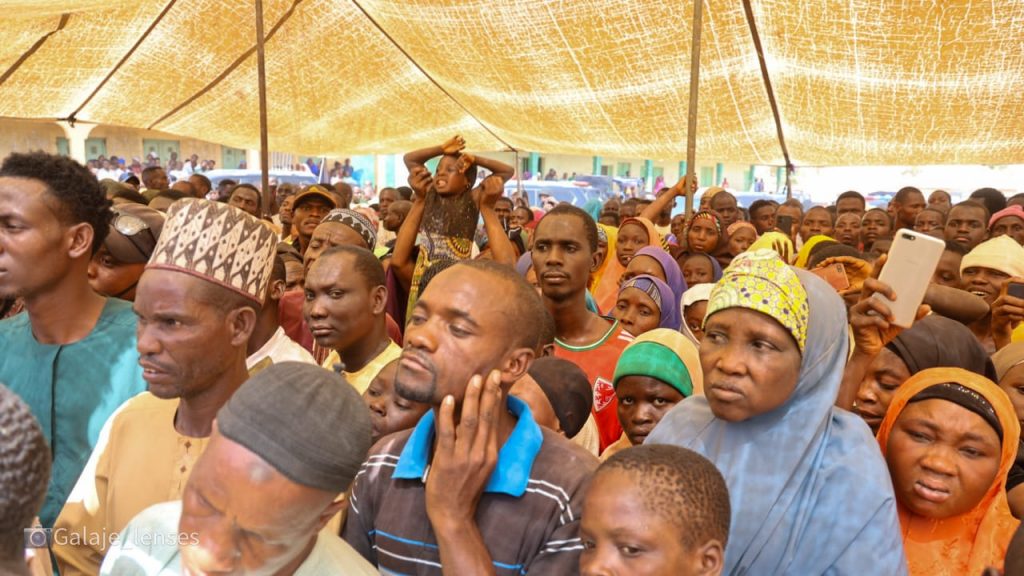
Following coordinated bandit attacks on border communities in Bauchi State, thousands of residents from Futuk, Mansur, Gwana and surrounding settlements have fled their homes and are now sheltered at Kashere Central Primary School in Akko Local Government Area.
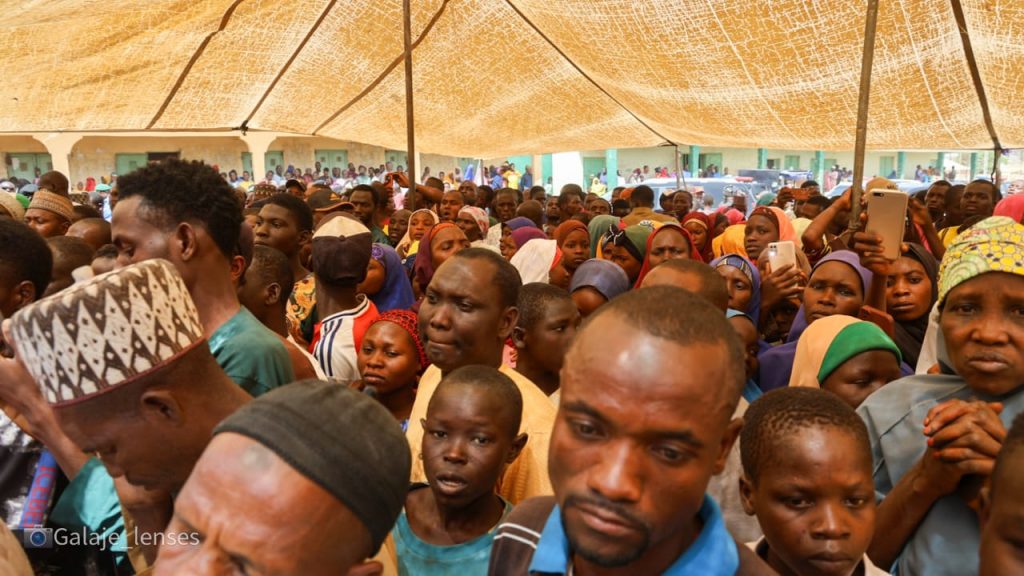
The displaced population — now estimated at over 100,000 people — is being supported through the collective efforts of host communities, local authorities and humanitarian volunteers.
Addressing the victims, Governor Bala Mohammed said he came personally to commiserate, assess the situation, and reassure them of government’s commitment to restoring peace and enabling their safe return.
Scale and Nature of the Attacks
The governor disclosed that over 10,000 heavily armed bandits invaded multiple communities including Mansur, Digare, Yelwan Fatuk and Gwana in Alkaleri Local Government Area, overwhelming local vigilantes and security operatives.
These attacks have triggered one of the largest recent internal displacements in the North-East corridor.
Dajin Madam Forest: An Emerging “Ungoverned Space”
At the centre of the crisis is the Dajin Madam forest axis — now described as an “ungoverned space” where:
Armed groups fleeing military pressure in the North-West have relocated and regrouped
The forest is used for recruitment, logistics and staging coordinated attacks
Some recruits include individuals previously engaged in illegal mining activities
While police drone surveillance has helped repel some attacks, the governor stressed that stronger, coordinated and sustained security operations are urgently needed.
Call for Presidential Intervention
Governor Bala Mohammed has announced plans to engage directly with Bola Ahmed Tinubu to request:
Reinforced military deployment to the border corridor
Advanced aerial surveillance and operational support
Additional arms and logistics for security agencies
Structured training for vigilantes and forest guards
He reiterated that although governors are regarded as chief security officers, they lack operational control over security agencies and weapons deployment, making federal intervention indispensable.
Regional Security Coordination Strategy
Recognising the cross-border nature of the threat, the governor has proposed a joint security summit involving Bauchi, Gombe, Taraba and Benue States to:
Flush out bandits from forest enclaves
Reclaim occupied territories
Block inter-state movement of armed groups
He emphasized that only a unified, regional and sustained offensive will bring lasting peace.
Human and Economic Impact
Beyond the immediate violence, the crisis carries severe long-term implications:
Disruption of farming activities and food production
Closure of schools now serving as shelters
Increased pressure on host communities
Rising poverty and economic instability
The displacement of over 100,000 citizens represents a major humanitarian and economic emergency that requires urgent intervention.
Community Response and Traditional Institutions
Governor Bala Mohammed commended the people of Kashere for hosting the victims “not as IDPs, but as brothers and sisters.”
The Chairman of Akko LGA, Hon. Danladi Adamu Akko, confirmed ongoing support in food provision, shelter and welfare.
Traditional institutions have also rallied behind peace efforts. The Emir of Pindiga, Muhammad Seyoji Ahmad, pledged continued cooperation in stabilizing affected communities.
Security Analysis: A Regional Threat in Transition
The situation in the Bauchi–Gombe corridor reflects a broader shift in bandit operations:
Migration of armed groups from the North-West into North-East forest zones
Establishment of new operational strongholds
Expansion into previously stable rural communities
Security analysts warn that without decisive intervention, the Dajin Madam axis risks becoming a major stronghold for armed groups in Northern Nigeria.
To contain and reverse the threat, a three-layered response is required:
1. Immediate Security Surge
Joint military operations to reclaim forest territories
Expanded aerial surveillance and drone monitoring
Establishment of forward operating bases
2. Strengthened Community Defense
Training and regulation of vigilante groups
Integration of community intelligence networks
Provision of communication tools and mobility support
3. Long-Term Stabilization
Safe return and resettlement of displaced communities
Reconstruction of destroyed homes and infrastructure
Economic empowerment programmes for vulnerable youth
The crisis in the Bauchi–Gombe corridor is no longer local. It is a national security test of coordination, leadership and political will.
Nigeria has overcome threats before. It can do so again — but only through swift, coordinated and sustained national action.
The visit by Governor Bala Abdulkadir Mohammed sends a clear message:
The people are displaced, but not abandoned. Their government sees them, stands with them, and is ready to act.
Now, the moment demands collective national action — from the Presidency, neighbouring states, security agencies and citizens alike.
Because when borders begin to burn, silence is no longer an option.
End