By, Abdulwahab Muhammad Bauchi
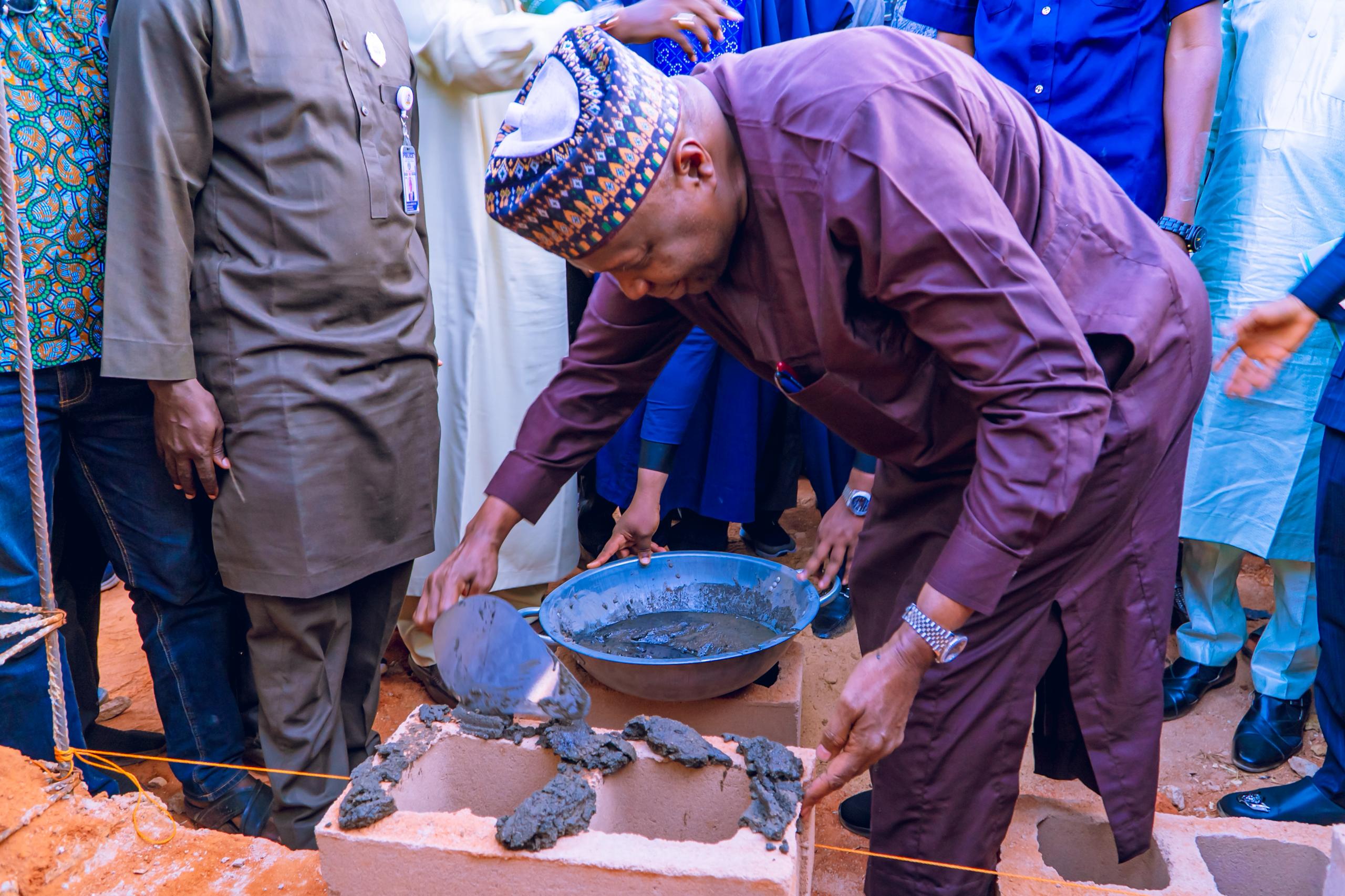
On 13th December 2025, Gombe State broke new ground with the flag-off of the Labour House Project, a permanent secretariat for organized labour. The event, attended by the National President of the Nigeria Labour Congress (NLC), Comrade Joe Ajaero, was more than a ceremonial foundation laying — it was a statement about what governance can look like when workers are placed at the center of development.
In a country where many states still struggle with unpaid pensions and gratuities, Gombe has carved a different path. Governor Inuwa Yahaya’s administration has:
Implemented the National Minimum Wage early.
Paid over ₦33.283 billion in gratuities and backlog obligations.
Recruited 440 health workers and more than 1,000 teachers.
Invested in infrastructure like a modern state secretariat and the Muhammadu Buhari Industrial Park.
These aren’t just statistics — they represent a deliberate prioritization of human capital. As Ajaero aptly put it:
“With the minimum wage, you gave workers food. With this Labour House, you are giving them shelter.”
Governor Yahaya’s remarks underscored a philosophy of governance built on dialogue, mutual respect, and shared responsibility. By treating workers as indispensable partners rather than passive recipients, Gombe has fostered industrial harmony and productivity.
This approach challenges the narrative that limited federal allocations must translate into poor worker welfare. Instead, Gombe demonstrates that political will and prioritization can transform modest resources into tangible progress.
The Labour House project is symbolic, but its implications are practical:
Shelter and dignity for workers who have lacked a permanent home for decades.
Accountability in governance, shown through consistent payments and reforms.
Sustainable development, anchored in human capital rather than short-term populism.
Other states can draw from Gombe’s example: welfare is not a luxury, it is the foundation of productivity and social stability.
The laying of the foundation stone for the Labour House is more than a construction milestone — it is a visionary investment in the dignity of labour. If completed within the promised six months, it will stand as a physical and symbolic reminder that governance succeeds best when workers thrive.
Gombe has set a precedent. The challenge now is whether other states will follow suit, turning welfare commitments into concrete realities.
End