From Abdul Wahab Muhammad
Published by Alphapressmedia
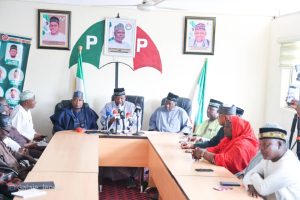
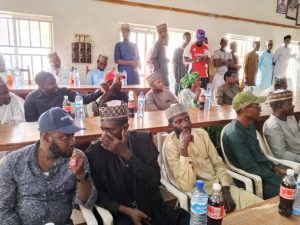
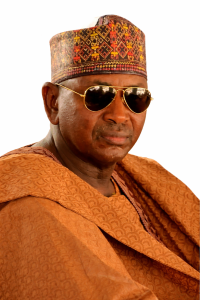
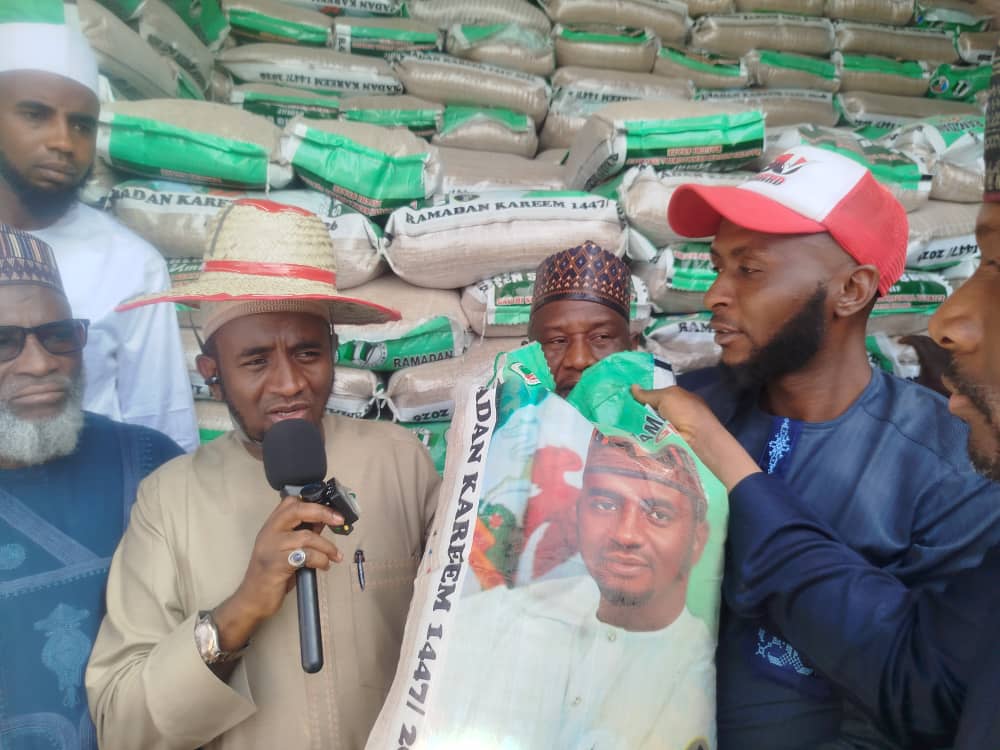
As Muslims across Bauchi State observe the holy month of Ramadan, Senator Shehu Buba Umar of Bauchi South has flagged off the distribution of 18,200 bags of rice to ease the burden of fasting families. While the gesture is charitable at its core, it also carries layers of political meaning, community symbolism, and questions of trust.
Ramadan is a season of heightened spirituality, but it is also a time when social responsibility becomes more visible. By providing food aid, Senator Umar is not only addressing hunger but also aligning himself with the values of compassion and generosity that define the month. In a society where religion and politics often intersect, such acts resonate deeply with constituents.
Strategic Allocation Beyond Constituency
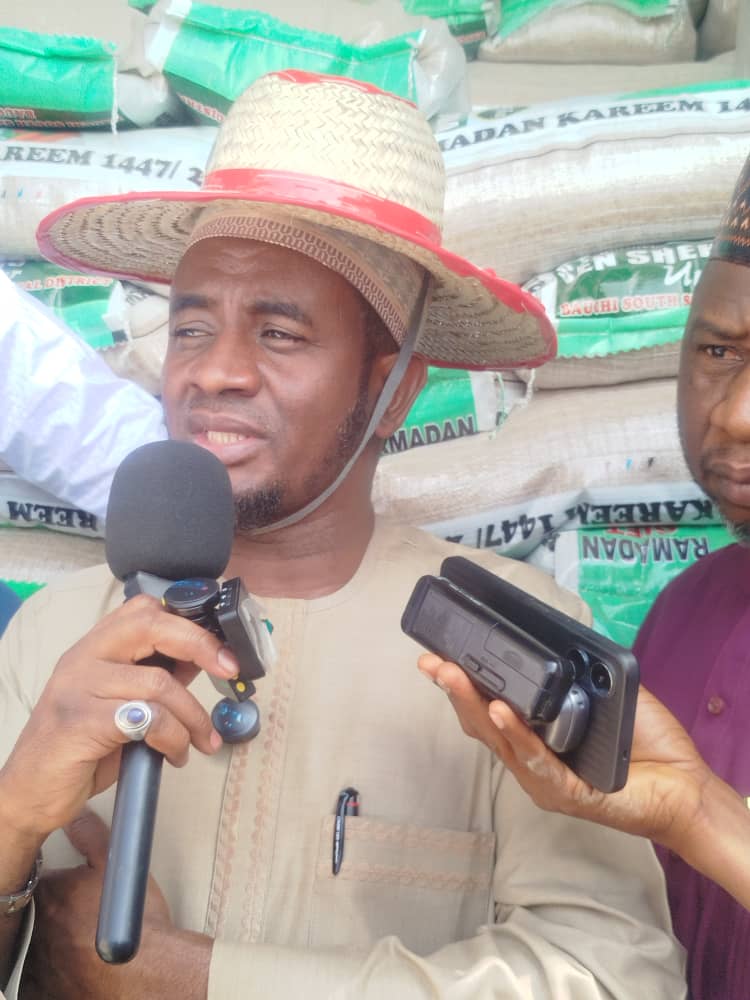
What makes this initiative stand out is its scope. Umar did not limit the distribution to Bauchi South alone; he extended support to Bauchi North and Bauchi Central. This broadens his influence and positions him as a leader with statewide vision rather than a sectional representative. It’s a calculated move that strengthens his political capital across divides.
The senator’s emphasis on fairness and transparency, backed by a distribution committee, is critical. In Nigeria, aid distribution is often plagued by diversion and favoritism. By publicly stressing accountability, Umar seeks to build trust and shield himself from accusations of political patronage. If the committee succeeds in equitable distribution, it will reinforce his image as a leader who values integrity.
Community Solidarity and Political Capital
Food distribution during Ramadan is more than charity—it is political currency. Constituents often measure representation not only by legislative performance but by tangible interventions in daily life. Meeting a basic need at a critical time strengthens grassroots loyalty. In rural communities especially, such gestures are remembered long after the fasting season ends.
Enhanced reputation, stronger grassroots support, and broader influence across Bauchi State.
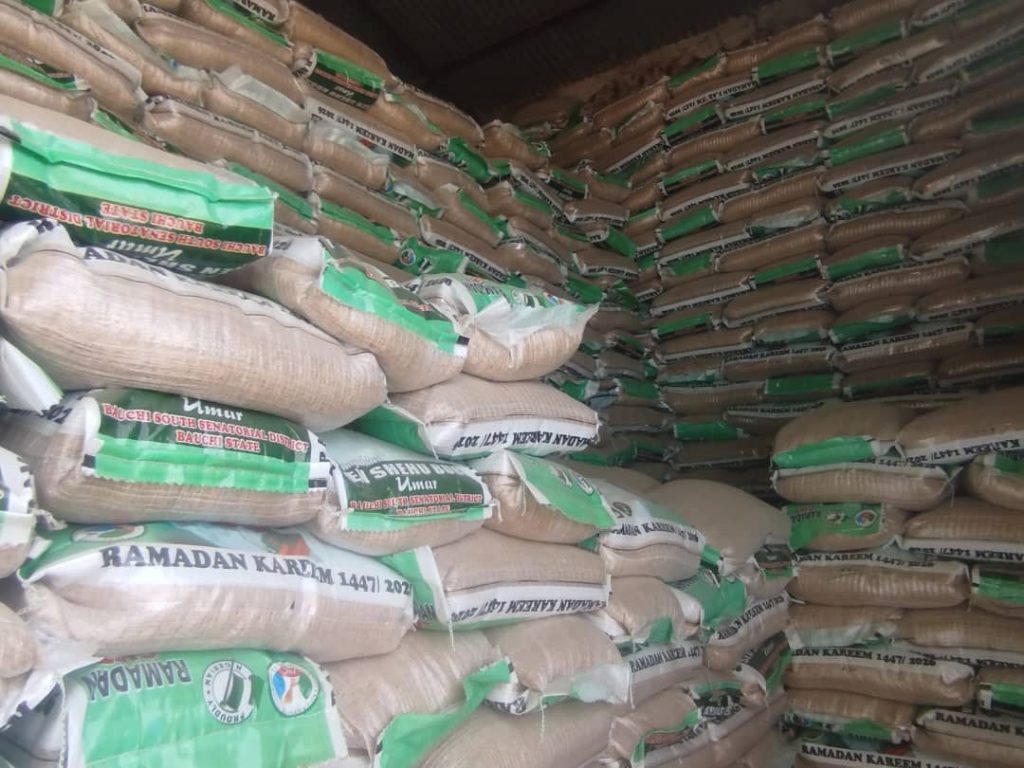
Mismanagement or perceived bias could backfire, reinforcing cynicism about political gestures. The senator’s reliance on a committee is both a safeguard and a gamble—success elevates him, failure tarnishes his credibility.
This initiative reflects a wider trend in Nigerian politics: elected officials leveraging religious and cultural occasions to reinforce legitimacy. While critics may dismiss such acts as populist, they undeniably shape public perception. In contexts where poverty and food insecurity are pressing, symbolic gestures like rice distribution carry real weight.
Senator Shehu Buba Umar’s Ramadan rice distribution is more than a humanitarian gesture—it is a carefully calibrated act of faith, politics, and trust-building. Whether it becomes a lasting symbol of solidarity or a fleeting act of populism will depend on how fairly and transparently the rice reaches those who need it most.
End