Strategic talks with Iranian investors could transform Bauchi into Nigeria’s livestock powerhouse.
By, Abdulwahab Muhammad Bauchi
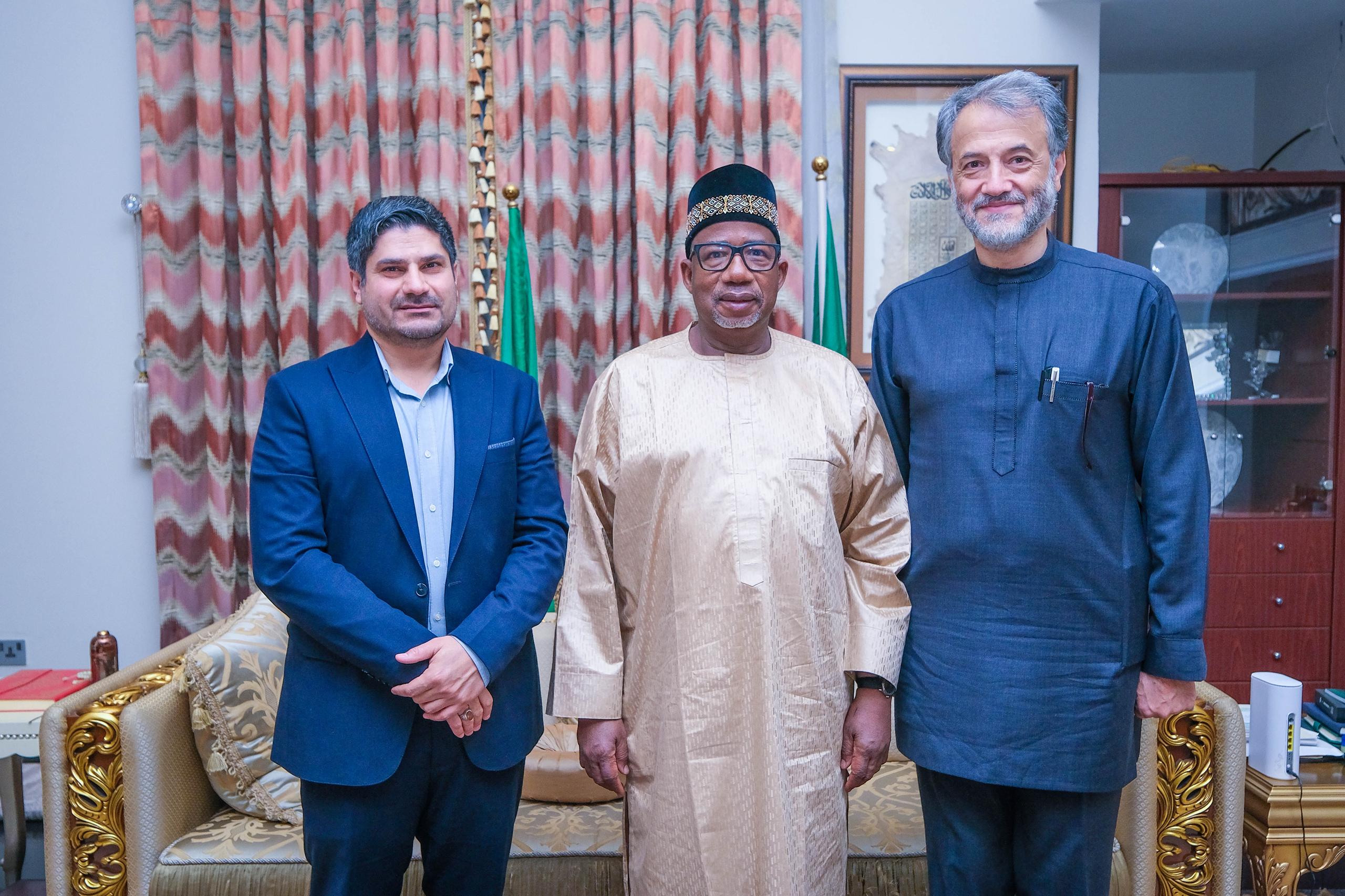
In a move that could redefine Bauchi State’s agricultural future, Governor Bala Mohammed welcomed two renowned livestock investors from the Islamic Republic of Iran — Professor Naderi Mohammad Mehdi and Dr. Erami Mohammad Ali — at his official residence in Abuja.
The meeting wasn’t just a courtesy call; it was a strategic dialogue aimed at unlocking Bauchi’s vast livestock potential. Discussions centered on modernizing livestock production, strengthening value‑chain development, and raising yields to meet international export standards.
Governor Mohammed emphasized Bauchi’s readiness to attract credible foreign investors, noting that livestock remains one of the state’s untapped treasures. “Our vision is to transform Bauchi into a hub for livestock production and export, creating jobs and driving sustainable economic growth,” he said.
Livestock is more than just an agricultural sector in Bauchi — it’s a livelihood for thousands of families. By introducing advanced production techniques and building stronger value chains, the state hopes to:
Increase productivity and profitability for local farmers
Create employment opportunities across rural communities
Position Bauchi as a competitive player in the regional and global livestock market
The Promise of Partnership
Both sides expressed optimism about collaborative projects that could bring:
Technology transfer from Iranian investors with global expertise
Capacity building to empower local farmers and professionals
Infrastructure upgrades to support large‑scale production and export readiness
If these plans materialize, Bauchi could soon emerge as a livestock powerhouse, exporting high‑quality products that meet international standards. For a state blessed with abundant natural resources and a strong agricultural base, this partnership represents a bold step toward economic diversification and global relevance.
End