Abdulwahab Muhammad Senior Special to his Excellency Governor Bala Abdulkadir Mohammed of Bauchi State.
Published by Alphapressmedia
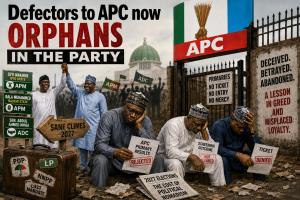
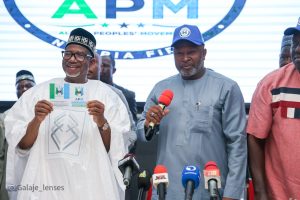
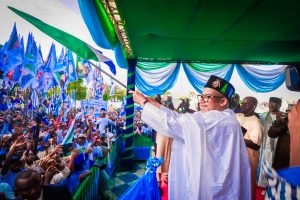
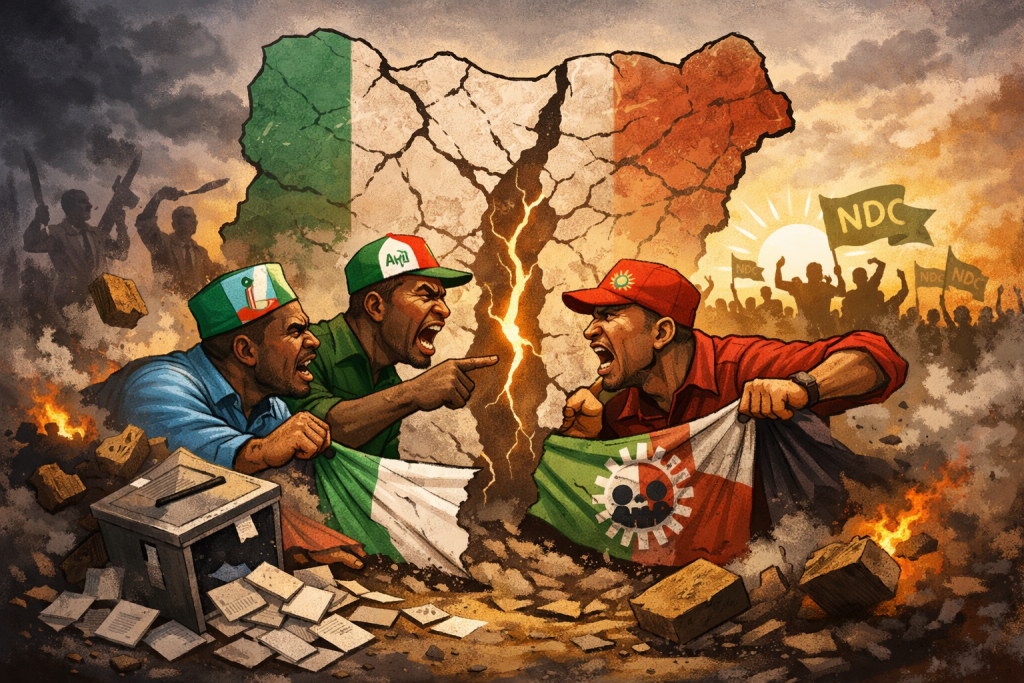
Nigeria’s political landscape in 2026 is turbulent, with the ruling All Progressives Congress (APC), the Peoples Democratic Party (PDP), and the Labour Party (LP) facing internal crises, defections, and leadership battles. As the 2027 elections draw closer, emerging parties like the African Democratic Congress (ADC) and the New Democratic Congress (NDC) are capitalizing on voter disillusionment, reshaping alliances, and challenging the dominance of traditional powerhouses. This blog explores the current state of Nigeria’s political parties, their strengths and weaknesses, and what lies ahead for the country’s democracy. All Progressives Congress (APC): The Ruling Party Under PressureThe APC, in power since 2015, remains Nigeria’s dominant force. Yet beneath its surface lies turbulence:Factional disputes over primaries and succession battles threaten unity. The Progressive Governors Forum (PGF) is under strain, echoing the PDP’s collapse in 2015. Tinubu’s tax reforms of 2025 have sparked backlash, fueling opposition narratives. Despite its incumbency advantage, APC risks fragmentation if internal disputes are not resolved. Peoples Democratic Party (PDP): Struggling to Regain GroundOnce Nigeria’s ruling party, PDP is now weakened by:Factional feuds and leadership disputes. The Rivers State crisis between Governor Siminalayi Fubara and former Governor Nyesom Wike, which threatens its South-South stronghold. Defections to rival parties, including ADC and NDC. Chairman Kabiru Tanimu Turaki faces the daunting task of rebuilding trust and unity before 2027. Labour Party (LP): From Momentum to DeclineThe LP surged in 2023 under Peter Obi, capturing youth enthusiasm and urban votes. But:Obi’s defection to ADC in 2026 has drained momentum. Weak structures and limited grassroots presence make survival difficult. LP’s decline underscores the volatility of Nigeria’s opposition politics. Emerging Alternatives: ADC and NDCAfrican Democratic Congress (ADC): Obi’s entry has revitalized the party, positioning it as a credible opposition force. New Democratic Congress (NDC): A fresh coalition attracting defectors from APC and PDP, branding itself as a “clean slate” for Nigerians tired of recycled elites. These parties may not yet rival APC or PDP nationally, but they are reshaping Nigeria’s political map. Trends Defining 2027Defections & Alliances: Politicians treat parties as vehicles, not homes. Expect more crossovers before 2027. Youth Pressure: Civil society and young voters demand credible primaries and transparency. Regional Power Struggles: Feuds in Rivers, Kano, and Bauchi could split votes and weaken dominance. Litigation Battles: Court cases over leadership may delay campaigns and erode legitimacy. 📊 Comparative OutlookAPC :Incumbency, Northern/Southwest base Internal crises, tax backlash,Risk of fragmentation. PDP: Legacy structures, South-South support,Factional feuds, defections,Struggling to regain dominance Labour Party: Youth appeal, 2023 momentum, Obi’s defection, weak structures,Declining influence ADC: Obi’s entry, opposition coalition Limited national spread, Rising alternative NDC: Fresh image, attracting defectors New, untested Potential disruptor Closing ThoughtNigeria’s political parties in 2026 are caught between old fractures and new possibilities. The ruling APC must prove it can govern without tearing itself apart, while PDP struggles to reclaim relevance. LP faces decline, but ADC and NDC are emerging as wildcards. The 2027 elections will not just be a contest of candidates — they will be a test of whether Nigeria’s parties can reform themselves enough to inspire confidence in democracy.