From Abdulwahab Muhammad SSA communication. Published by Alphapressmedia.
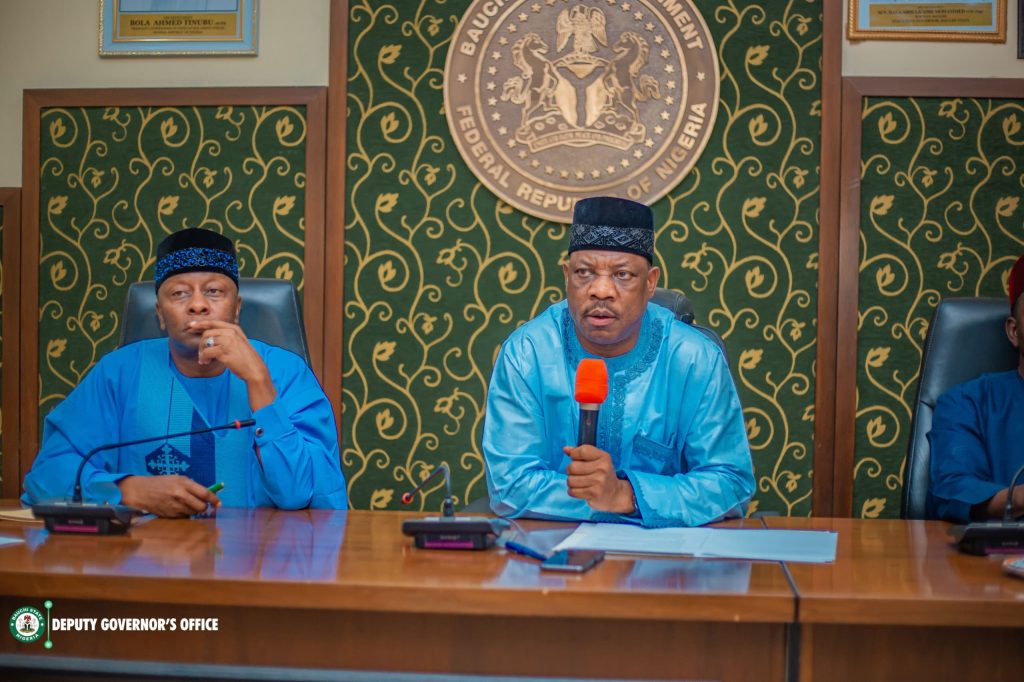
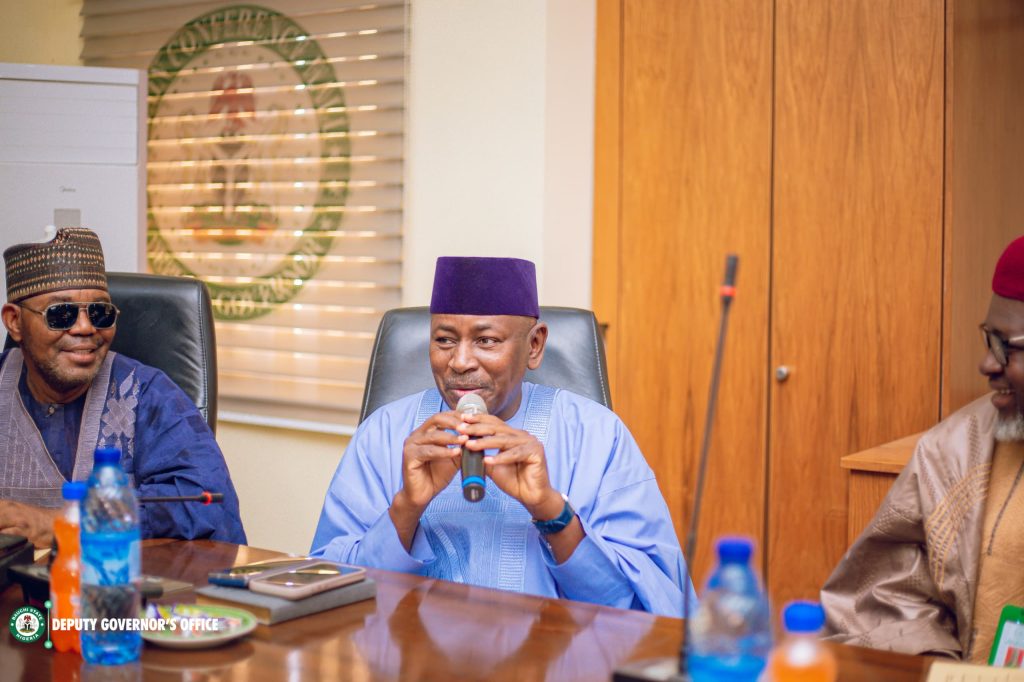
In Bauchi, a new chapter is unfolding for thousands of displaced families and the communities that have welcomed them. On Wednesday, the Deputy Governor, Rt. Hon. Mohammad Auwal Jatau, stood before stakeholders at the Government House to inaugurate the Steering Committee on Solutions for Internally Displaced Persons and Host Communities (SOLID Project)—a World Bank-assisted initiative that promises to reshape lives.
The SOLID Project is more than just another development program. It is a transformative journey—one that seeks to restore dignity, heal wounds of displacement, and build bridges between uprooted families and the communities that have sheltered them. Jatau, who chairs the committee, described it as the “engine of governance” for the project, ensuring that every naira invested and every policy adopted aligns with Bauchi State’s aspirations.
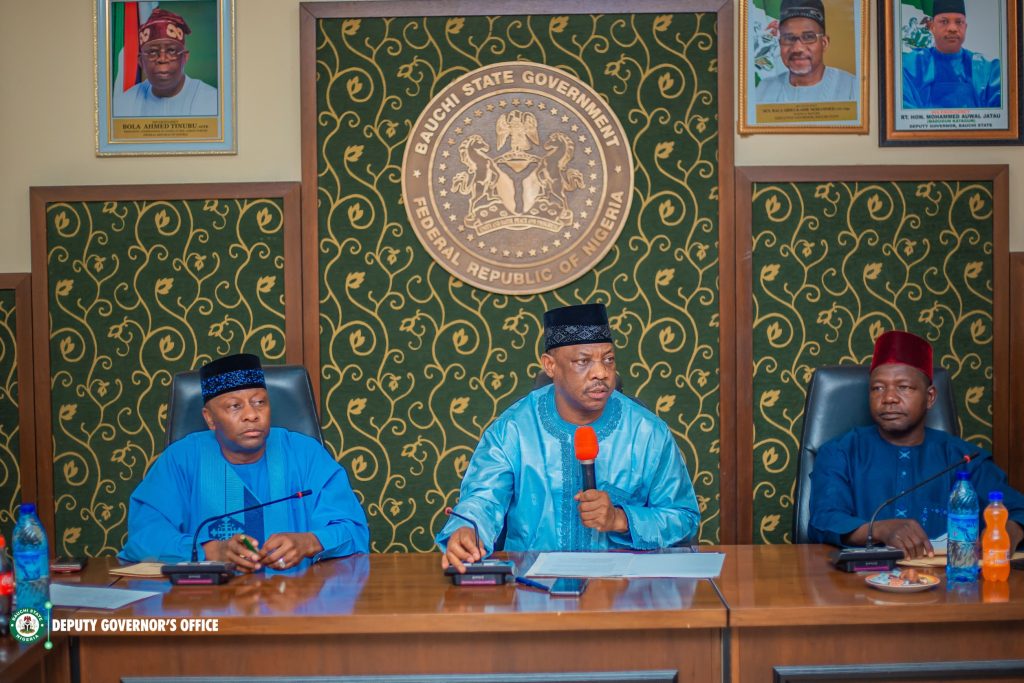
The Deputy Governor emphasized sustainability, urging the committee to embed project gains into state systems. “The SOLID Project has a defined lifecycle, but the outcomes we seek must outlast its funding cycle,” he said. This means infrastructure, services, and social cohesion must endure long after the project closes. Governor Bala Mohammed’s administration has pledged full support, while gratitude was extended to the World Bank and partners for their collaboration.
For Abdulsamad Abubakar, the State SOLID Project Coordinator, the committee’s role is equally vital: to provide high-level oversight and coordination that guarantees effective implementation. Bauchi State is no stranger to displacement. As part of Nigeria’s North-East, it has faced waves of conflict-driven migration due to insurgency, alongside climate-related disasters such as flooding. In August 2025 alone, over 4,459 individuals from 610 households were displaced in Dass Local Government Area after devastating floods destroyed shelters. According to the International Organization for Migration (IOM), the North-East hosts 2.3 million internally displaced persons (IDPs), with Bauchi among the affected states. More than half of these IDPs live in host communities, placing immense pressure on local infrastructure and resources. Restoring dignity: Many displaced families have lived in precarious conditions for years. The SOLID Project aims to provide sustainable solutions—housing, services, and social cohesion. Supporting host communities:
With more than half of IDPs living among host families, the project strengthens local infrastructure and reduces strain on already vulnerable communities. Ensuring sustainability: By embedding project gains into state systems, Bauchi hopes to ensure that investments in infrastructure and services endure beyond the World Bank’s funding cycle.
Displacement in Bauchi is not just about numbers—it’s about children missing school, families losing livelihoods, and communities stretched thin. Floods, conflict, and poverty intertwine to create cycles of vulnerability. The SOLID Project’s narrative of “leaving no one behind” resonates deeply here, offering hope that displaced persons can rebuild their lives with dignity. The inauguration of Bauchi’s Steering Committee is more than a bureaucratic step—it’s a signal of intent.
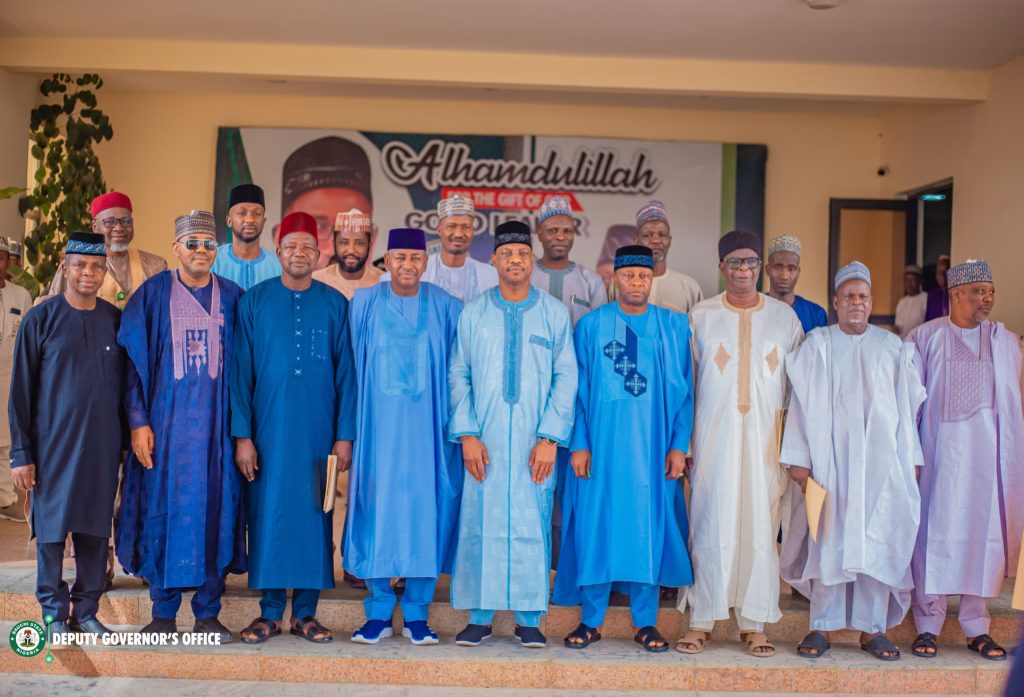
Bauchi is positioning itself to transform displacement from a humanitarian crisis into an opportunity for inclusive growth and resilience. The SOLID Project is not just about rebuilding homes, but about rebuilding futures.