Published by Alphapressmedia
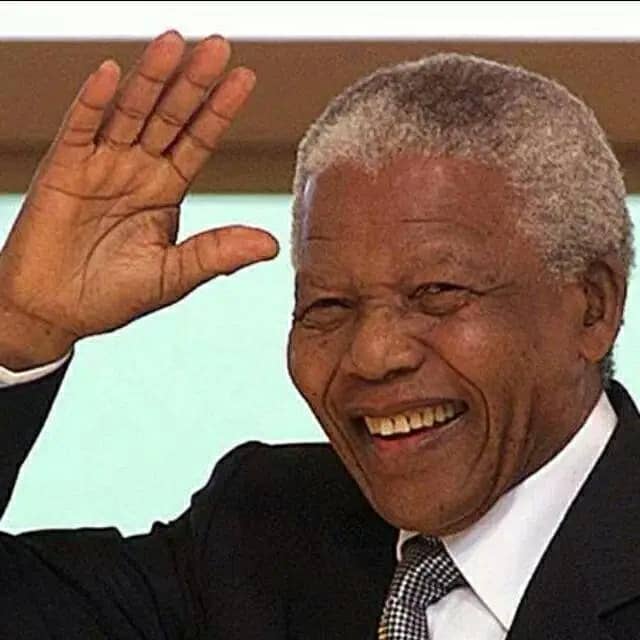
As the world marks Nelson Mandela International Day, contemporary leaders have been urged to emulate the exceptional leadership style of South Africa’s former President and global icon, Nelson Mandela, by placing the interests of their people above personal ambitions.
The call was made by Maryam Waheed Ahmad, a lecturer in the Department of History at Yusuf Maitama Sule University, Kano, during an address commemorating the annual observance of Mandela Day.
According to the historian, Mandela was a visionary leader who consistently prioritized the welfare of his people over his own personal interests. She described him as a fearless champion of justice who dedicated his life to defending the rights of South Africans, ensuring their welfare, and leading the historic struggle that brought an end to the apartheid system of racial segregation.
She noted that Mandela’s unwavering commitment to freedom and equality led to his imprisonment for 27 years. Following his release, he emerged as a symbol of reconciliation and democracy and was elected South Africa’s first Black President, serving from 1994 to 1999.
Maryam Ahmad further explained that Mandela strengthened democratic governance by voluntarily serving only a single presidential term, despite widespread public support for his continued leadership. His decision, she said, demonstrated his deep respect for democratic principles and his belief in peaceful leadership transition.
Nelson Rolihlahla Mandela was born on July 18, 1918, in Mvezo, Eastern Cape, South Africa. He served as President of South Africa from 1994 to 1999 and passed away on December 5, 2013, at the age of 95, leaving behind a lasting legacy of justice, reconciliation, and inspirational leadership.